Skip to content
  • Finnish Government
    • Prime Minister's Office
    • Ministry of Defence
    • Ministry of Transport and Communications
    • Ministry for Foreign Affairs
    • Ministry of Finance
    • Ministry of Economic Affairs and Employment
    • Ministry of Justice
    • Ministry of Education and Culture
    • Ministry of Social Affairs and Health
    • Ministry of the Interior
    • Ministry of Agriculture and Forestry
    • Ministry of the Environment

Valitse kieli:

This page is in Finnish. Go to the English site »

Or choose language:

Den här sidan är på finska. Gå till den svenska versionen av sidan »

Eller välj språk:

Dát siidu lea suomagillii Sirdás davvisámegielat siidduide »

Dehe vállje giela:

Taat sijđo lii suomâkielân Sirduu anarâškielâlijd sijđoid »

Tâi valjii kielâ:

Tät seidd lij lääʹddǩiõʹlle Sirddu lääʹddǩiõllsaž seiddõʹsse »

Leʹbe vaʹlljed ǩiõl:

Язык этого сайта финский. Перейти на русскоязычный сайт »

Или выберите язык:

Cette page est en finnois. Aller sur le site en français »

Ou choisir la langue:

Diese Seite ist auf Finnisch. Wechseln Sie zur deutschen Version »

Oder wählen Sie Ihre Sprache:

Tämä sivu on englanniksi. Siirry suomenkieliseen sivustoon »

Tai valitse kieli:

Choose language:

Den här sidan är på engelska. Gå till den svenska versionen av sidan »

Eller välj språk:

Dát siidu lea eŋgelasgillii Sirdás davvisámegielat siidduide »

Dehe vállje giela:

Taat sijđo lii eŋgâlâskielân Sirduu anarâškielâlijd sijđoid »

Tâi valjii kielâ:

Tät seidd lij eŋgglõsǩiõʹlle Sirddu lääʹddǩiõllsaž seiddõʹsse »

Leʹbe vaʹlljed ǩiõl:

Язык этого сайта английский. Перейти на русскоязычный сайт »

Или выберите язык:

Cette page est en anglais. Aller sur le site en français »

Ou choisir la langue:

Diese Seite ist auf Englisch. Wechseln Sie zur deutschen Version »

Oder wählen Sie Ihre Sprache:

Tämä sivu on ruotsiksi. Siirry suomenkieliseen sivustoon »

Tai valitse kieli:

This page is in Swedish. Go to the English site »

Or choose language:

Välj språk:

Dát siidu lea ruoŧagillii Sirdás davvisámegielat siidduide »

Dehe vállje giela:

Taat sijđo lii ruotâkielân Sirduu anarâškielâlijd sijđoid »

Tâi valjii kielâ:

Tät seidd lij ruõccǩiõʹlle Sirddu lääʹddǩiõllsaž seiddõʹsse »

Leʹbe vaʹlljed ǩiõl:

Язык этого сайта шведский. Перейти на русскоязычный сайт »

Или выберите язык:

Cette page est en suédois. Aller sur le site en français »

Ou choisir la langue:

Diese Seite ist auf Schwedisch. Wechseln Sie zur deutschen Version »

Oder wählen Sie Ihre Sprache:

Tämä sivu on pohjois-saameksi. Siirry suomenkieliseen sivustoon »

Tai valitse kieli:

This page is in North Saami. Go to the English site »

Or choose language:

Den här sidan är på nordsamiska. Gå till den svenska versionen av sidan »

Eller välj språk:

Vállje giela:

Taat sijđo lii tavesämikielân Sirduu anarâškielâlijd sijđoid »

Tâi valjii kielâ:

Tät seidd lij tâʹvvsääʹmǩiõʹlle Sirddu lääʹddǩiõllsaž seiddõʹsse »

Leʹbe vaʹlljed ǩiõl:

Язык этого сайта северосаамский. Перейти на русскоязычный сайт »

Или выберите язык:

Cette page est en same du Nord. Aller sur le site en français »

Ou choisir la langue:

Diese Seite ist auf Nordsamisch. Wechseln Sie zur deutschen Version »

Oder wählen Sie Ihre Sprache:

Tämä sivu on inarinsaameksi. Siirry suomenkieliseen sivustoon »

Tai valitse kieli:

This page is in Inari Sámi. Go to the English site »

Or choose language:

Den här sidan är på enaresamiska. Gå till den svenska versionen av sidan »

Eller välj språk:

Dát siidu lea anárašgillii Sirdás davvisámegielat siidduide »

Dehe vállje giela:

Valjii kielâ:

Tät seidd lij aanarsääʹmǩiõʹlle Sirddu lääʹddǩiõllsaž seiddõʹsse »

Leʹbe vaʹlljed ǩiõl:

Язык этого сайта инари-саамский. Перейти на русскоязычный сайт »

Или выберите язык:

Cette page est en sami inari. Aller sur le site en français »

Ou choisir la langue:

Diese Seite ist auf Inari Sámi. Wechseln Sie zur deutschen Version »

Oder wählen Sie Ihre Sprache:

Tämä sivu on koltansaameksi. Siirry suomenkieliseen sivustoon »

Tai valitse kieli:

This page is in Skolt Sámi. Go to the English site »

Or choose language:

Den här sidan är på skoltsamiska. Gå till den svenska versionen av sidan »

Eller välj språk:

Dát siidu lea nuortalašgillii Sirdás davvisámegielat siidduide »

Dehe vállje giela:

Taat sijđo lii nuorttâlâškielân Sirduu anarâškielâlijd sijđoid »

Tâi valjii kielâ:

Vaʹlljed ǩiõl:

Язык этого сайта скольт-саамский. Перейти на русскоязычный сайт »

Или выберите язык:

Cette page est en sámi skolt. Aller sur le site en français »

Ou choisir la langue:

Diese Seite ist auf Skolt Sámi. Wechseln Sie zur deutschen Version »

Oder wählen Sie Ihre Sprache:

Tämä sivu on venäjäksi. Siirry suomenkieliseen sivustoon »

Tai valitse kieli:

This page is in Russian. Go to the English site »

Or choose language:

Den här sidan är på ryska. Gå till den svenska versionen av sidan »

Eller välj språk:

Dát siidu lea ruoššagillii Sirdás davvisámegielat siidduide »

Dehe vállje giela:

Taat sijđo lii ruošâkielân Sirduu anarâškielâlijd sijđoid »

Tâi valjii kielâ:

Tät seidd lij ruõššǩiõʹlle Sirddu lääʹddǩiõllsaž seiddõʹsse »

Leʹbe vaʹlljed ǩiõl:

выберите язык:

Cette page est en russe. Aller sur le site en français »

Ou choisir la langue:

Diese Seite ist auf Russisch. Wechseln Sie zur deutschen Version »

Oder wählen Sie Ihre Sprache:

Tämä sivu on ranskaksi. Siirry suomenkieliseen sivustoon »

Tai valitse kieli:

This page is in French. Go to the English site »

Or choose language:

Den här sidan är på franska. Gå till den svenska versionen av sidan »

Eller välj språk:

Dát siidu lea fránskkagillii Sirdás davvisámegielat siidduide »

Dehe vállje giela:

Taat sijđo lii ranskakielân Sirduu anarâškielâlijd sijđoid »

Tâi valjii kielâ:

Tät seidd lij fraansk-ǩiõʹlle Sirddu lääʹddǩiõllsaž seiddõʹsse »

Leʹbe vaʹlljed ǩiõl:

Язык этого сайта французский. Перейти на русскоязычный сайт »

Или выберите язык:

Choisir la langue:

Diese Seite ist auf Französisch. Wechseln Sie zur deutschen Version »

Oder wählen Sie Ihre Sprache:

Tämä sivu on saksaksi. Siirry suomenkieliseen sivustoon »

Tai valitse kieli:

This page is in German. Go to the English site »

Or choose language:

Den här sidan är på tyska. Gå till den svenska versionen av sidan »

Eller välj språk:

Dát siidu lea duiskkagillii Sirdás davvisámegielat siidduide »

Dehe vállje giela:

Taat sijđo lii saksakielân Sirduu anarâškielâlijd sijđoid »

Tâi valjii kielâ:

Tät seidd lij saksslaǩiõʹlle Sirddu lääʹddǩiõllsaž seiddõʹsse »

Leʹbe vaʹlljed ǩiõl:

Язык этого сайта немецкий. Перейти на русскоязычный сайт »

Или выберите язык:

Cette page est en allemand. Aller sur le site en français »

Ou choisir la langue:

Wählen Sie Ihre Sprache:

  • Valitse kieli Suomi
  • Välj språket Svenska
  • Select language English
Media
Ministry of Economic Affairs
Navigation
  • Frontpage
  • Responsibilities
    • Enterprises
    • Enterprise financing
    • Working life
    • Energy
    • Competition and consumers
    • Regions
    • Labour migration and integration
    • Security of supply
  • Current issues
  • Projects and legislation
  • Publications
  • Ministry
  • Contact information
  • Press releases
  • News
  • Columns
  • Sign up for news
  • Social media and webcasts
  • Russian attack on Ukraine
suomiLue artikkeli suomeksi svenskaLäs artikeln på svenska English

Column: Data centres are an integral part of a developing energy system and economy
Ministry of Economic Affairs and Employment
Publication date 20.5.2026 13.21
Type:Column
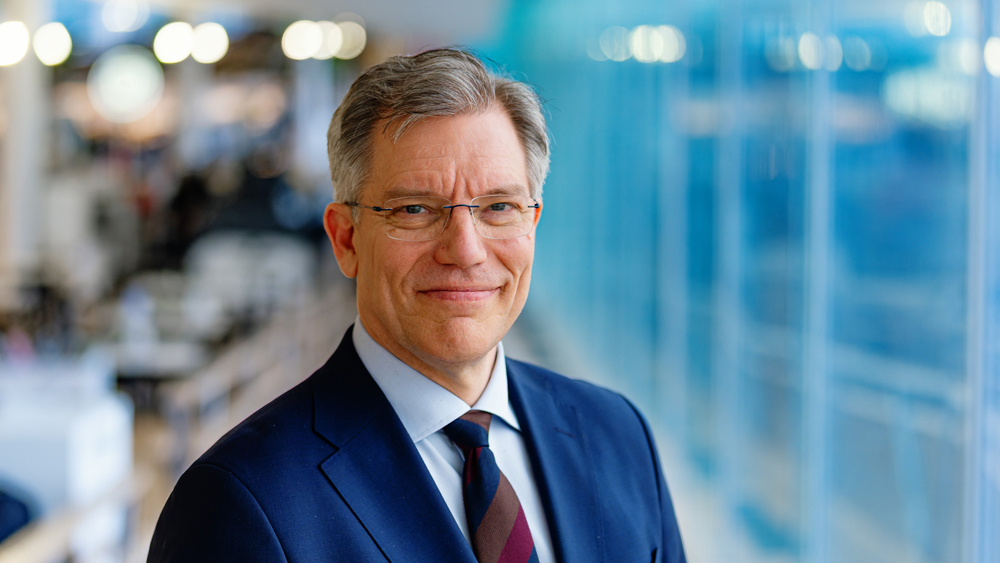
Photo: Tesi/ Aki Rask

The views on data centres and their electricity use presented in public tend to either depict the centres as a threat to the sufficiency of electricity or, alternatively, highlight the necessity and benefits of such investments. However, data centres are not a black-and-white issue. Data centres should be seen as a part of the overall economic change, data sovereignty and general electrification. Through sensible measures, the centres can be efficiently integrated into Finland’s clean and smart energy system.

Many kinds of investments are anticipated in Finland

Over 95 per cent of Finland’s electricity production is based on clean energy sources and the share of weather-dependent production will continue to grow, in particular. Against this background, it is important to take a look at not only the need for capacity but also the ability to consume electricity flexibly and to store energy in various forms (batteries, heat, intermediate industrial products). In principle, all electricity-intensive investments should be assessed using the same criteria. Data centres are not an exception.

Thanks to our affordable and clean electricity, Finland is also an attractive target for investors in traditional industries that use a great deal of energy. With electricity serving as the foundation of competitiveness, it is in the operators’ own interest too to ensure security of electricity supply and its reasonable price. 

The widely available Power Purchase Agreements that offer electricity at a fixed price have so far offered little reward for flexibility. However, this is changing as demand for electricity grows strongly. Flexible consumption and storage can generate sizeable returns on the electricity market, which also provides an incentive for the planned investments in hydrogen and pumped storage power plants.

The significance of both industrial and data centre investments lies in their role as a source of economic activity and growth. Their direct employment effect during the operation of the facilities may be relatively small. Tax revenue mostly benefits the municipalities where the facilities are located, above all.

There is plenty of energy but flexibilities are necessary

The estimated amount of electricity required by data centres vary. The value of data centres that currently exist, are under construction or for which an investment decision has been made totals approximately EUR 80–90 billion, including the necessary equipment. Based on this, the annual consumption of electricity in Finland could increase by 8–10 terawatt hours, which would account for about one tenth of Finland’s electricity consumption.

Unlike the processing industry plants, data centres typically grow in phases, depending on service demand, which allows the supply and production of electricity to be adjusted. On the other hand, data centres rarely operate at full nominal power and they may also make use of flexibility in their operations. It is also good to keep in mind that processes in traditional industries can be quite inflexible or slowly adjustable, even when the value of price flexibility is recognised.

There is enough electricity in Finland. The growing demand creates more supply, especially wind and solar power plant projects that can be implemented in a couple of years. More room and potential for these projects still exist in Finland.

The logic of nuclear energy investments producing base power is somewhat different. The construction of the plants lasts 10–15 years and they may be in operation for a very long time, up to 60–70 years. Nuclear power as such is a suitable partner for data centres that require constant electricity supply, and artificial intelligence companies in the US have advanced in this respect, for example.

The need for balancing power is a key issue and the currently available hydro power and pumped storage power of the future will not be enough. Strong international grid connections only help to a certain extent, even if such connections are now under development.

Market prices guide data centres to actively utilise their battery storages and reserve capacity – which they have built for securing server operations – to balance costs. This incentive becomes more obvious when obtaining an affordable fixed-price electricity contract turns out to be increasingly difficult. It is justified to encourage and, if necessary, even require data centres to make use of flexibility. 

Naturally, safeguarding the security of electricity supply in all situations is a wider energy policy issue that applies to society as a whole. To this end, the Ministry of Economic Affairs and Employment is preparing an aid instrument to ensure sufficient capacity of domestic electricity also during the coldest weeks of winter. 

The instrument will be an investment subsidy for weather-secure production and combined heat and power plants. The purpose of the subsidy is not to prevent market-based investments; instead, it aims to complement them. The details of the subsidy model will be ready by autumn. In this context, data centres may also have the opportunity to enhance and utilise their flexibility capacity more extensively.

Regulation must guide towards efficient use of energy and networks

Finland is not alone in dealing with the questions posed by data centres. The EU Energy Efficiency Directive already requires that the waste heat generated by data centres be utilised if this is technically and economically feasible. Because it usually is feasible in Finland, energy efficiency increases considerably. 

The European Union is also debating whether other obligations of data centres should be expanded. A regulation on the rating scheme for data centre sustainability is currently under preparation. In future, the provision of balancing power could be a possible obligation in the EU and the internal market. General European rules applicable to all could further clarify the playing field.

Finland has strong electricity networks and compared with other European countries, new operators can be connected to the grid quickly. In any case, the construction of a new network takes years. It is therefore advisable to use the existing transmission capacity as efficiently as possible while the network is gradually being improved and expanded.

The option of prioritising operators planning to connect to the network based on objective criteria and within the framework of EU legislation should be assessed. The idea is to enable the operators with less network and electricity load to access the grid faster. One particular criterion could be flexible electricity use. The revised Electricity Market Act already allows temporary restrictions on the power of electricity connections.

The location of the facility can also have a substantial impact on the capacity of the network. A good example of this are battery storages which, in the best case scenario, if properly located, reduce the need to expand the network and, in the worst case scenario, restrict other connections. For this reason, it would be justified to provide guidance on the location of these investments.

Looking at the big picture

Data centres should be considered a part of the development of a modern society and economy. The centres have strong links to the use of artificial intelligence and electrification in general. Based on market information and with the help of carefully outlined steering measures, significant server capacity can be built in Finland  while keeping the price of electricity at a low level compared with many European peers. This is, as usual, the responsibility of both the government and companies.

Riku Huttunen is the Director-General of the Energy Department of the Ministry of Economic Affairs and Employment
 

Riku Huttunen
artificial intelligence centres climate policy columns electrical power networks electrical power networks electrification energy energy policy energy systems industrial policy innovations investments networks smart grids
Back to top

Shortcuts

  • Contact information
  • Personnel search
  • Organisation
  • Strategy of the Ministry and its administrative branch
  • Communications Unit
  • Sign up for press releases and columns

The website

About the website

Change cookie settings

Data protection

Accessibility statement

Sitemap

Contact information

P.O. Box 32, FI-00023
GOVERNMENT

Tel. +358 295 16001

            Ministry of Economic Affairs and Employment
Search page
  • Frontpage
  • Responsibilities
    • Enterprises
      • Industrial policy
        • Promotion of entrepreneurship
          • Growth Entrepreneurship Programme
        • EU industrial policy
      • Innovation policy
        • Ecosystem policy
          • Innovative cities and corporations
        • Innovation policy evaluation
          • Utilisation of research and expertise
        • Innovative public procurement
        • Innovation-friendly regulation
          • What is innovation-friendly regulation?
          • Promotion of innovation-friendly regulation in the EU and internationally
        • Industrial property rights
          • Employment Invention Committee
        • EU research and innovation policy
          • European Digital Innovation Hubs
          • How Finland’s Digital Innovation Hubs were created
        • International research and innovation cooperation
      • Focus areas
        • Tourism
          • Economic impacts of tourism
          • Employment in tourism
          • Finland's Tourism Strategy
          • Tourism actors
          • Public subsidies for developing tourism
          • Domestic tourism
        • Maritime industry
          • Icebreaker initiative ICE Pact
        • Arctic Policy
          • Finland's Strategy for the Arctic Region
        • Space policy
          • The Finnish Space Committee
          • The National Strategy for Finlands Space Activities
          • International space cooperation
          • National space legislation
          • Authorisation for space activities
          • Registry of space objects
          • Supervision of space activities
        • Business digitalisation for companies
          • Data economy growth programme
            • Pilot projects of the data economy growth programme
          • AI Regulation
          • EU AI Board and its sub-groups
        • Minerals policy
          • Minerals sector´s links and publications
          • EU Critical Raw Materials Act
            • EU Net-Zero Industry Act
        • Creative economy
        • Bioeconomy
      • Regulation of business operations
        • Freedom of enterprise in Finland
        • Travel Service Combinations
        • Finnish Trade Register
        • Accounting
          • Accounting Board
        • Auditing
        • Technical safety
          • Market surveillance
          • Market surveillance programmes
          • Assessing the functioning of market surveillance
          • Safety of toys
          • New EU regulation on market surveillance and compliance of products
        • Industrial property rights
      • Internationalisation of enterprises
        • Foreign corporate acquisitions
          • Questions and answers about the act on the screening of foreign corporate acquisitions
        • Foreign investments
      • Single market of the EU
        • Product Contact Point
          • Free movement of goods within the single market
          • General requirements for products in Finland
          • Other national product regulations
          • Product regulation at the EU level
          • Mutual recognition of goods in the EU
        • Administrative cooperation between the authorities in the single market
        • Authorities' notification obligations
        • Trade barriers
          • SOLVIT
          • SMET
        • EU Regulation of Digital platforms
          • Relationship between online platforms and businesses
          • Digital Markets Act
        • Internal Market Emergency Act
      • Business services
      • Corporate social responsibility (CSR)
        • Business and human rights
        • Key guidelines on CSR
        • Handling Specific Instances of the OECD Guidelines for Multinational Enterprises
          • Questions and answers about the OECD National Contact Points
          • Specific Instances in Finland
        • Socially responsible public procurement
        • Committee on Corporate Social Responsibility
        • CSR reporting
        • Anti-corruption work
        • Combating forced labour
        • Due diligence obligation of companies
    • Enterprise financing
      • Loans, guarantees and credits
      • Finnish Industry Investment
      • Enterprise developmental support
      • Supporting internationalisation
      • Research, development and innovation funding
        • Plan for research and development funding
      • General criteria for business subsidies on national level
        • Advisory Committee on Business Subsidy
        • Research Division on Business Subsidies
    • Working life
      • Labour legislation
        • Employment contract and employment relationship
          • Concluding an employment contract
            • Lay-offs and terminating employment relationship
            • Employment security during military or non-military service
          • Questions and answers on restraint of non-competition agreements
          • Family leave
            • Pregnancy leave, parental leave and childcare leave
          • Young workers
          • Posted workers
            • Obligation to notify
          • Working at sea
        • Working time and annual holiday
          • Working time
          • Annual holiday
        • Improving and maintaining employees’ competence
          • Study leave
        • Non-discrimination and equality in working life
          • Promotion of non-discrimination in working life
        • Protection of privacy at work and working with children
          • Protection of privacy at work
        • Co-operation procedure and other personnel representation systems
        • Collective agreements and mediation in labour disputes
        • Contractor’s obligations and liability
        • Employee’s position if employer becomes insolvent
      • Working life development
        • Working life barometer
        • Working Life Development Strategy
      • Employment
        • Public employment services
          • Public employment services for private customers
          • Public employment services for businesses and organisations
        • Employment areas
        • National objectives for promoting employment
        • National Advisory Board on Promoting Employment
        • Support and compensations
          • Pay subsidy
          • Start-up grants
          • Subsidy for arranging working conditions
          • Unemployment security
          • The European Globalisation Adjustment Fund for Displaced Workers
        • Multi-sectoral promotion of employment
        • Employment through procurement
        • Social entrepreneurship
        • International cooperation in employment matters
        • Non-Military service
          • Information for persons applying for non-military service
      • Skilled labour force
        • Continuous learning
        • Identifying the competence of working-age people
          • Studies and pilots on identification of competences
        • Lifelong guidance
          • National development projects for lifelong guidance
    • Energy
      • Energy and climate strategy
        • Preparation of energy and climate policy scenarios
          • Calculations and models
          • Developing scenarios
      • Emissions trading
        • Emissions Trading Directive
        • Auctioning of emission allowances
        • Monitoring, reporting and verification
        • Emissions trading in aviation
        • Aid for electrification
      • Electricity market
        • Expropriation matters
        • Working group to explore smart grids’ potential for the electricity market
        • Energy communities
        • Information on electricity shortages
      • Heating market
        • Waste heat
        • EU, heating market
      • Renewable energy
        • Biofuels
        • Feed-in tariff for renewable energy
        • Guidelines and monitoring
      • Energy efficiency
        • Implementation of the Energy Efficiency Directive
        • Energy efficiency agreements and audits
        • Energy efficiency in awarding public contracts
        • Energy efficiency of products
          • Energy labelling
          • Preparation of product-group specific requirements
      • Energy and Investment Aid
        • Energy aid
          • Projects eligible for aid
          • Applications and payments
        • Subsidy for the capture of biogenic carbon dioxide from industry
        • Applications for investment aid on large demonstration projects in 2026
      • Nuclear energy
        • Nuclear energy administration
          • Nuclear energy legislation
          • Nuclear Waste Management Fund
          • Nuclear liability
          • Licence procedure
          • International agreements and export control
        • Nuclear safety, security and safeguards
          • Nuclear safety
          • Security and safeguards
          • Government decree on nuclear facilities
        • Nuclear facilities and projects
          • Loviisa power plant
            • Operating licence 2007-2030
            • EIA Programme
            • EIA Report
          • Olkiluoto power plant
            • Olkiluoto 1 and 2 operating licence
            • Olkiluoto OL1 ja OL2 EIA programme
            • Olkiluoto 1 and 2 EIA report
            • Olkiluoto 3
            • EIA of very low-level nuclear waste
          • Kuopion Energia's small modular reactor plant
            • Kuopion Energia EIA programme
          • Fennovoima
            • Environmental impact assessments
            • Processing of decisions-in-principle
            • Construction licence application
          • Decommissioning of research reactor
          • Terrafame recovery of uranium
        • Nuclear waste management
          • National programme
          • Final disposal of spent nuclear fuel
            • Application for operating licence
            • Construction licence
            • Decision-in-principle
            • Environmental impact assessment, Posiva
          • Spent nuclear fuel
        • Nuclear Energy Development projects
      • Security of energy supply
      • International and EU cooperation in the energy sector
      • Energy technologies
      • Low-carbon roadmaps
        • Updating the low-carbon roadmaps 2024
        • Low-carbon roadmaps 2020
    • Competition and consumers
      • Competition
        • Competition legislation
          • Key legislation
          • Merger control and competition neutrality
          • Sanctions
      • Public procurement
        • Publication of contracts and thresholds
          • EU and national thresholds
        • Advice and guidance on public procurement
        • Key operators
        • Public procurement legislation
          • Case law
          • Procurement Directives
      • EU rules on state aid
        • Procedures and coordination
        • Recovery decisions
        • National aid schemes and State aid granted
        • Public service assignment -SGEI
      • Consumers
        • Consumer safety
        • Doorstep selling
    • Regions
      • Objectives and planning of regional development
        • Regional development priorities
        • Regional development and regional councils
        • Rural and island policy
        • Support areas
        • Legislation on regional development
        • Advisory Council on Regional Renewal
        • Monitoring and forecasting regional development
          • Regional Development Guidelines 2040
      • Urban development
        • Urban Policy Committee
        • Thematic partnerships
        • Ecosystem agreements
        • Urban development in the EU
          • The EU’s financial and development instruments for cities
      • Structural change
        • Abrupt structural change (ÄRM)
        • Positive structural change
      • EU’s regional and structural policy
        • EU’s cohesion policy
        • EU structural funds
          • Innovation and Skills in Finland 2021–2027
        • The Fund for European Aid to the Most Deprived (FEAD) 2014–2020
        • European Territorial Cooperation objective (ETC) 2014 - 2020
        • European Neighbourhood Instrument Cross-Border Cooperation (ENI CBC)
      • Economic Development Centres
        • ELY Centres
    • Labour migration and integration
      • Integration of immigrants
        • Integration policy
        • Legislation and guidelines
        • Integration services
        • Administration of integration and the actors involved
        • Monitoring of integration
        • Integration SIB project
      • International expertise and labour
        • Labour immigration administration
        • Labour immigration legislation
        • Labour migration services
        • Combatting the exploitation of labour
        • Talent Boost
    • Security of supply
      • Security Strategy for Society
      • Preparedness for serious disruptions and emergency conditions
      • International cooperation on security of supply
  • Current issues
    • Press releases
    • News
    • Columns
    • Sign up for news
    • Social media and webcasts
    • Russian attack on Ukraine
  • Projects and legislation
    • Statute drafting
      • Streamlining of regulation
      • Impact assessments on companies, employment and working life in legislative drafting
    • Current projects
      • Government’s labour market reforms
        • Improving industrial peace in the labour market
        • Increasing local collective bargaining
        • Developing the conciliation system
        • Amendments to the Co-operation Act
        • Ensuring essential work
        • Lower threshold for terminating employment
        • Increasing flexibility of fixed-term employment contracts
      • Measures of the Government concerning work-based immigration
        • Three-month unemployment rule
        • Income limit for residence permit for an employed person
        • International students
      • Development of jobseekers’ service process and employment services
      • Sustainable Growth Programme in the MEAE
        • Funding available to companies under the Sustainable Growth Programme
          • First application round for energy investment aid
          • Second application round for energy investment aid
          • Third application round for energy investment aid
          • Fourth application round for energy investment aid
          • Fifth application round for energy investment aid
          • RRF energy investment aid projects granted aid
        • Other funding targets under the Sustainable Growth Programme
      • Project: Licensing and supervision
    • Completed projects
      • Implementation project on the Economic Development Centres
      • TE services reform 2024
        • Frequently asked questions about the TE services reform 2024
          • Questions and answers on information systems and enterprise architecture
          • Questions and answers about joint services for young people
      • Reform of the Integration Act
      • Local government pilots on employment
        • Pilot areas
      • Experiment on recruitment subsidy for sole entrepreneurs
        • Questions and answers about the recruitment subsidy trial for sole traders
      • Employment measures of Prime Minister Marin's Government
        • Ministerial Working Group on Promoting Employment
          • Summary of the measures proposed by the sub-groups on employment promotion
  • Publications
    • Labour Force Barometer
    • Employment Bulletins
    • Annual Statistical Summaries
    • Publications 2013–2014
    • Brochures
      • Welcome to Finland
  • Ministry
    • Management and organisation
      • Ministers
        • Minister of Employment
        • Minister of Economic Affairs
        • Minister of Climate and the Environment
        • Minister of the Interior
        • Minister of Local and Regional Government
      • Senior officials
        • Management Groups
      • Departments and Units
      • Government agencies, companies and funds in the administrative branch
      • Labour Council
        • Tasks of the Labour Council
      • National Conciliator's Office
      • Cooperation Ombudsman
    • Strategies and operational planning
      • Strategy
      • Values
      • Budget
      • Documents on planning and monitoring
        • Performance targets
    • Cooperation in the EU and at other international forums
      • Nordic Cooperation
    • Discretionary government grants
    • Ministry´s Visual Identity
    • Whistleblower protection
    • History
    • Information about the website
      • Data protection
      • Accessibility statement
      • Cookies
      • Feedback on the website
    • Contact information and visiting address
  • Contact information
    • Personnel search
    • Ministry’s Communications Unit